If you’re a small business owner looking to supercharge your sales, the right CRM can be a game-changer. Discover the best cloud based Sales CRM software for small business that boosts efficiency, drives growth, and scales with you.


Why the Best Cloud Based Sales CRM Software for Small Business Is a Must-Have

Small businesses today operate in a fast-paced, digital-first environment. Staying competitive means leveraging tools that streamline operations, enhance customer relationships, and provide real-time insights. Among these tools, cloud-based CRM (Customer Relationship Management) systems stand out as essential for managing sales pipelines, tracking customer interactions, and improving team collaboration.
What Is a Cloud-Based CRM?
A cloud-based CRM is a software solution hosted on remote servers and accessed via the internet. Unlike traditional on-premise systems, cloud CRMs eliminate the need for physical hardware, reduce IT overhead, and offer seamless scalability. For small businesses, this means lower upfront costs and faster deployment.
- Accessible from any device with an internet connection
- Automatically updated by the provider
- Offers real-time data synchronization across teams
According to Gartner, cloud CRM adoption has surged, with over 80% of new CRM deployments now being cloud-based due to their agility and cost-efficiency.
Key Benefits for Small Businesses
Small businesses often operate with limited resources and tight budgets. The best cloud based Sales CRM software for small business addresses these constraints by offering:
- Cost Efficiency: No need for expensive servers or IT staff. Most cloud CRMs use a subscription model, making budgeting predictable.
- Scalability: As your business grows, your CRM can grow with you—add users, features, or integrations seamlessly.
- Improved Sales Productivity: Automate repetitive tasks like data entry, follow-up emails, and lead scoring, freeing up time for actual selling.
- Better Customer Insights: Track customer behavior, purchase history, and communication patterns to personalize interactions and increase retention.
“A CRM isn’t just a database—it’s a strategic tool that turns customer data into revenue.” — Forbes
Common Challenges Without a CRM
Operating without a CRM can lead to missed opportunities and inefficiencies. Common issues include:
Best cloud based Sales CRM software for small business – Best cloud based Sales CRM software for small business menjadi aspek penting yang dibahas di sini.
- Lost leads due to poor follow-up
- Inconsistent customer communication
- Lack of visibility into sales performance
- Data silos between sales, marketing, and support teams
Without a centralized system, small businesses risk falling behind competitors who leverage automation and analytics to close deals faster.
Top 7 Best Cloud Based Sales CRM Software for Small Business in 2024
Choosing the right CRM can be overwhelming with so many options available. To simplify your decision, we’ve evaluated the top 7 cloud-based CRM platforms based on features, pricing, ease of use, scalability, and customer support. These are the best cloud based Sales CRM software for small business that deliver real value.
1. HubSpot CRM
HubSpot CRM is widely regarded as one of the best cloud based Sales CRM software for small business due to its powerful free tier and intuitive interface. It’s perfect for startups and growing businesses that want robust features without a hefty price tag.
- Key Features: Contact management, deal tracking, email integration, task automation, live chat, and meeting scheduling.
- Pricing: Free forever plan available; paid plans start at $20/month (Starter).
- Integration Ecosystem: Connects with over 1,000 apps including Gmail, Outlook, Slack, and Shopify.
HubSpot’s strength lies in its seamless integration between sales, marketing, and service hubs. As your business grows, you can upgrade to paid tiers without switching platforms. Learn more at HubSpot CRM.
2. Zoho CRM
Zoho CRM offers a highly customizable platform tailored to small businesses with diverse sales processes. It’s known for its AI-powered assistant, Zia, which provides sales predictions and automates routine tasks.
- Key Features: Sales automation, workflow rules, AI insights, telephony integration, and social media monitoring.
- Pricing: Starts at $14/user/month (Standard plan); free plan available for up to 3 users.
- Mobile Experience: Excellent mobile app with offline access and voice commands.
Zoho CRM is ideal for businesses that need flexibility and advanced automation without complexity. It’s also part of the larger Zoho suite, allowing integration with tools like Books, Projects, and Mail. Explore Zoho CRM at Zoho CRM.
Best cloud based Sales CRM software for small business – Best cloud based Sales CRM software for small business menjadi aspek penting yang dibahas di sini.
3. Salesforce Essentials
Salesforce, the global leader in CRM, offers Salesforce Essentials—a streamlined version designed specifically for small businesses. It brings enterprise-grade functionality to smaller teams.
- Key Features: Lead and opportunity management, email integration, activity tracking, and reporting dashboards.
- Pricing: $25/user/month (billed annually).
- Customization: Highly customizable with drag-and-drop tools and pre-built templates.
Salesforce Essentials is perfect for small businesses planning to scale rapidly. Its robust API and AppExchange marketplace allow for extensive third-party integrations. Visit Salesforce Essentials for details.
4. Pipedrive
Pipedrive is built by salespeople for salespeople. Its visual sales pipeline makes it one of the best cloud based Sales CRM software for small business teams focused on closing deals.
- Key Features: Visual pipeline, activity reminders, email tracking, integrations with Gmail and Outlook, and sales reporting.
- Pricing: Starts at $14.90/user/month (Essential plan).
- User Experience: Extremely intuitive, with a focus on simplicity and workflow clarity.
Pipedrive excels in helping teams manage their sales process step-by-step. It’s particularly effective for businesses with linear sales cycles. Learn more at Pipedrive.
5. Freshsales (by Freshworks)
Freshsales combines CRM functionality with built-in phone, email, and chat capabilities, making it a powerful all-in-one solution for small sales teams.
- Key Features: AI-based lead scoring, visual deal pipeline, built-in calling and conferencing, and email tracking.
- Pricing: Free plan for up to 10 users; paid plans start at $15/user/month.
- AI Assistant: Freddy AI helps prioritize leads and suggests next steps.
Freshsales is ideal for businesses that want a unified communication and CRM platform. Its clean interface and automation tools reduce manual work significantly. Explore at Freshsales.
Best cloud based Sales CRM software for small business – Best cloud based Sales CRM software for small business menjadi aspek penting yang dibahas di sini.
6. Insightly
Insightly is a CRM and project management hybrid, making it perfect for small businesses that manage client projects alongside sales.
- Key Features: Contact and opportunity management, project tracking, workflow automation, and customer service tools.
- Pricing: Starts at $29/user/month (Pro plan); free trial available.
- Integration with G Suite and Microsoft 365: Deep integration for seamless workflow.
Insightly bridges the gap between sales and operations, ideal for consulting firms, agencies, and service-based businesses. Learn more at Insightly.
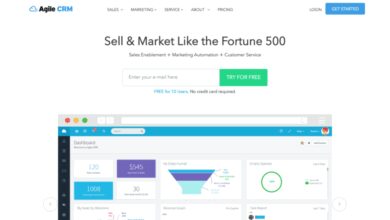
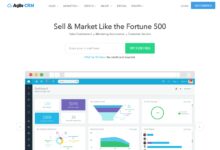
7. Agile CRM
Agile CRM offers a comprehensive suite of sales, marketing, and service tools in one platform, making it a cost-effective choice for small businesses.
- Key Features: Contact management, email marketing, telephony, web tracking, and helpdesk.
- Pricing: Free plan for up to 10 users; paid plans start at $9.99/user/month.
- All-in-One Platform: Combines CRM, marketing automation, and customer support.
Agile CRM is best suited for startups and solopreneurs who need a full-stack solution without managing multiple tools. Visit Agile CRM for more.
Key Features to Look for in the Best Cloud Based Sales CRM Software for Small Business
Not all CRMs are created equal. When evaluating options, focus on features that align with your business goals and sales process. The best cloud based Sales CRM software for small business should include the following core functionalities.
1. Contact and Lead Management
A robust CRM should allow you to store, organize, and segment customer data efficiently. Look for features like:
Best cloud based Sales CRM software for small business – Best cloud based Sales CRM software for small business menjadi aspek penting yang dibahas di sini.
- Custom fields for capturing relevant information
- Lead scoring to prioritize high-value prospects
- Duplicate detection to maintain data cleanliness
Effective contact management ensures no lead falls through the cracks and enables personalized communication.
2. Sales Pipeline and Deal Tracking
Visualizing your sales process is crucial for forecasting and accountability. The best CRM platforms offer:
- Drag-and-drop pipeline stages
- Deal value and probability tracking
- Automated reminders for follow-ups
Tools like Pipedrive and Freshsales excel in providing intuitive pipeline views that keep teams focused on moving deals forward.
3. Automation and Workflow Tools
Automation reduces manual tasks and increases consistency. Key automation features include:
- Email sequences and templates
- Task assignment based on triggers
- Auto-logging calls and emails
For example, HubSpot CRM allows you to set up workflows that automatically assign leads to sales reps based on geography or product interest.
4. Mobile Accessibility
Modern sales teams are on the move. A mobile-friendly CRM ensures access to customer data anytime, anywhere. Look for:
Best cloud based Sales CRM software for small business – Best cloud based Sales CRM software for small business menjadi aspek penting yang dibahas di sini.
- Native iOS and Android apps
- Offline mode for data entry without internet
- Push notifications for urgent tasks
Zoho CRM and Salesforce Essentials offer top-tier mobile experiences with full functionality on smartphones and tablets.
5. Integration Capabilities
Your CRM should connect seamlessly with other tools you use daily. Essential integrations include:
- Email platforms (Gmail, Outlook)
- Calendar apps (Google Calendar, Outlook Calendar)
- Marketing tools (Mailchimp, ActiveCampaign)
- E-commerce platforms (Shopify, WooCommerce)
Platforms like HubSpot and Zoho offer extensive app marketplaces, ensuring you can build a connected tech stack.
How to Choose the Best Cloud Based Sales CRM Software for Small Business
Selecting the right CRM isn’t just about features—it’s about fit. Follow this step-by-step guide to make an informed decision.
1. Assess Your Sales Process
Map out your current sales cycle from lead generation to closing. Identify pain points such as:
- Where leads get stuck
- Which tasks are repetitive
- How communication is tracked
This analysis will help you determine which CRM features are essential. For example, if your team spends too much time on follow-ups, look for strong automation capabilities.
Best cloud based Sales CRM software for small business – Best cloud based Sales CRM software for small business menjadi aspek penting yang dibahas di sini.
2. Define Your Budget
While many CRMs offer free plans, they may lack advanced features. Consider:
- Monthly cost per user
- Hidden fees for add-ons or storage
- Long-term scalability costs
For most small businesses, a budget of $15–$30 per user per month is realistic for a fully-featured CRM.
3. Evaluate Ease of Use
A CRM is only effective if your team actually uses it. Prioritize platforms with:
- Intuitive user interface
- Minimal learning curve
- Comprehensive onboarding resources
Pipedrive and HubSpot are known for their user-friendly designs, making adoption easier for non-technical teams.
4. Check Customer Support and Training
Even the best software can fail without proper support. Look for:
- 24/7 customer support via chat, email, or phone
- Knowledge base and video tutorials
- Community forums or user groups
Salesforce and Zoho offer extensive training portals and certification programs to help teams get the most out of their CRM.
Best cloud based Sales CRM software for small business – Best cloud based Sales CRM software for small business menjadi aspek penting yang dibahas di sini.
5. Test Before You Commit
Always take advantage of free trials or freemium plans. During the trial:
- Import real customer data
- Simulate your sales workflow
- Involve key team members in testing
This hands-on experience will reveal usability issues and compatibility with your operations.
Implementation Tips for the Best Cloud Based Sales CRM Software for Small Business
Choosing a CRM is just the first step. Successful implementation is critical to realizing its full potential. Follow these best practices to ensure a smooth rollout.
1. Start with Clear Goals
Define what success looks like. Common CRM goals include:
- Reducing lead response time
- Increasing conversion rates
- Improving customer retention
Aligning your CRM use with specific KPIs ensures accountability and measurable results.
2. Clean Your Data First
Migrating messy or outdated data into a new CRM can create more problems than it solves. Before importing:
Best cloud based Sales CRM software for small business – Best cloud based Sales CRM software for small business menjadi aspek penting yang dibahas di sini.
- Remove duplicate contacts
- Standardize naming conventions
- Verify email and phone numbers
Tools like Import.io or Talend can help clean and structure your data for seamless migration.
3. Train Your Team Thoroughly
Resistance to change is common. Combat this with comprehensive training that includes:
- Live onboarding sessions
- Step-by-step guides and cheat sheets
- Ongoing refresher courses
HubSpot Academy, for example, offers free CRM training courses that can accelerate team proficiency.
4. Customize for Your Workflow
Don’t use the CRM “out of the box.” Tailor it to your business by:
- Creating custom fields for industry-specific data
- Setting up automated workflows for common tasks
- Designing dashboards that display key metrics
Customization ensures the CRM supports your process, not the other way around.
5. Monitor and Optimize
After launch, continuously evaluate performance. Use built-in reports to track:
Best cloud based Sales CRM software for small business – Best cloud based Sales CRM software for small business menjadi aspek penting yang dibahas di sini.
- Sales team activity
- Conversion rates by stage
- Customer acquisition cost
Regularly solicit feedback from users to identify areas for improvement.
Common Mistakes to Avoid When Using the Best Cloud Based Sales CRM Software for Small Business
Even with the best tools, poor practices can undermine success. Avoid these common pitfalls.
1. Underutilizing Automation
Many small businesses set up a CRM but continue doing manual tasks. This defeats the purpose of automation. Examples include:
- Manually logging calls instead of using auto-logging
- Sending follow-up emails individually instead of using sequences
- Updating deal stages manually instead of using triggers
Take full advantage of automation to save time and reduce errors.
2. Inconsistent Data Entry
If team members skip updating the CRM, data becomes unreliable. Enforce data entry policies by:
- Making CRM updates part of daily routines
- Using mobile apps for real-time logging
- Setting up mandatory fields for key records
Consistent data ensures accurate reporting and better decision-making.
Best cloud based Sales CRM software for small business – Best cloud based Sales CRM software for small business menjadi aspek penting yang dibahas di sini.
3. Ignoring Integration Opportunities
Using a CRM in isolation limits its value. Connect it with your email, calendar, and marketing tools to create a unified system. For example:
- Synchronize Gmail with HubSpot to auto-log emails
- Link your calendar to schedule meetings directly in the CRM
- Integrate with Mailchimp to sync contact lists
Integrated systems reduce duplication and improve efficiency.
4. Over-Customizing Too Early
While customization is powerful, overdoing it early can complicate adoption. Start simple and add complexity as your team becomes comfortable. Avoid:
- Creating too many custom fields
- Building complex workflows before understanding basic features
- Adding unnecessary integrations
Focus on core functionality first, then expand gradually.
5. Failing to Measure ROI
Without tracking results, you won’t know if your CRM is delivering value. Measure ROI by comparing:
- Sales cycle length before and after CRM
- Conversion rates
- Customer satisfaction scores
Regular analysis helps justify the investment and identify optimization opportunities.
Best cloud based Sales CRM software for small business – Best cloud based Sales CRM software for small business menjadi aspek penting yang dibahas di sini.
Future Trends in Cloud-Based CRM for Small Businesses
The CRM landscape is evolving rapidly. Stay ahead by understanding emerging trends shaping the best cloud based Sales CRM software for small business.
1. AI-Powered Sales Assistants
Artificial intelligence is transforming CRM with features like:
- Predictive lead scoring
- Automated email drafting
- Next-best-action recommendations
Platforms like Freshsales (Freddy AI) and Zoho (Zia) are leading the charge, helping small teams act like enterprise sales forces.
2. Voice-Activated CRM
Voice commands and voice-to-text are making CRM updates faster. Imagine saying, “Log a call with John about the Q3 proposal,” and having it appear in your CRM instantly. This trend is gaining traction with mobile CRM apps.
3. Embedded Analytics and Forecasting
Modern CRMs are moving beyond basic reporting to offer real-time dashboards and predictive analytics. Small businesses can now forecast sales with greater accuracy using built-in AI models.
4. Hyper-Personalization
CRMs are enabling deeper personalization through behavioral tracking and segmentation. For example, sending tailored offers based on a customer’s browsing history or past purchases.
Best cloud based Sales CRM software for small business – Best cloud based Sales CRM software for small business menjadi aspek penting yang dibahas di sini.
5. Increased Focus on Data Privacy
With regulations like GDPR and CCPA, CRM providers are enhancing data security and compliance features. Look for platforms with:
- Role-based access control
- Data encryption
- Audit trails
This ensures customer data is protected and your business remains compliant.
What is the best free CRM for small businesses?
HubSpot CRM and Zoho CRM offer the most comprehensive free plans. HubSpot provides unlimited contacts, email tracking, and deal management, while Zoho supports up to three users with automation and AI features. Both are excellent starting points for budget-conscious businesses.
Can I integrate my CRM with email and calendar?
Yes, nearly all top cloud-based CRMs integrate seamlessly with Gmail, Outlook, Google Calendar, and Microsoft Outlook. These integrations allow automatic logging of emails, calendar sync for meetings, and real-time notifications.
Best cloud based Sales CRM software for small business – Best cloud based Sales CRM software for small business menjadi aspek penting yang dibahas di sini.
How long does it take to implement a CRM?
Implementation time varies but typically ranges from a few days to two weeks for small businesses. Factors include data migration complexity, team size, and customization needs. Using a phased rollout can speed up adoption.
Is cloud CRM secure for small businesses?
Yes, reputable cloud CRM providers use enterprise-grade security, including data encryption, multi-factor authentication, and regular backups. They often offer better security than on-premise systems, especially for small businesses without dedicated IT teams.
Do I need technical skills to use a cloud CRM?
No, most cloud CRMs are designed for non-technical users. They feature drag-and-drop interfaces, guided setup wizards, and extensive support resources. Training is usually minimal, and many offer free onboarding assistance.
Choosing the best cloud based Sales CRM software for small business is a strategic decision that can transform your sales operations. From HubSpot’s user-friendly free tier to Salesforce’s enterprise-ready Essentials plan, there’s a solution for every need and budget. Focus on ease of use, essential features, and scalability. Implement with clear goals, train your team, and avoid common mistakes. As AI, automation, and analytics continue to evolve, the right CRM will not only manage customer relationships but drive growth and competitive advantage. Invest wisely, and let your CRM become the backbone of your small business success.
Further Reading: