Compare Sales CRM software for small business options: Compare Sales CRM Software for Small Business: 7 Best Options Revealed!

Running a small business? Choosing the right CRM can be a game-changer. Let’s compare sales CRM software for small business options that deliver real results—without breaking the bank.
Why Compare Sales CRM Software for Small Business Options?

Small businesses operate in a fast-paced environment where every lead counts and customer relationships drive growth. A solid CRM (Customer Relationship Management) system helps organize interactions, streamline sales processes, and boost productivity. But with so many tools on the market, it’s essential to compare sales CRM software for small business options carefully before making a decision.
Understanding CRM Basics
A CRM system is more than just a digital Rolodex. It’s a centralized platform that tracks every interaction with prospects and customers—from initial contact to post-sale support. For small businesses, this means better lead management, improved follow-up, and stronger customer retention.
- Stores contact information, communication history, and deal stages.
- Automates repetitive tasks like email follow-ups and appointment scheduling.
- Provides insights through reporting and analytics.
According to Salesforce, companies using CRM see a 36% increase in customer satisfaction and a 34% improvement in sales performance.
Why Small Businesses Need CRM
Unlike large enterprises, small businesses often lack dedicated sales teams or extensive resources. A CRM levels the playing field by offering tools that help small teams act like big ones. It reduces manual work, minimizes human error, and ensures no opportunity slips through the cracks.
- Helps manage limited staff efficiently.
- Enables personalized customer experiences at scale.
- Supports remote and hybrid work models with cloud access.
“A good CRM doesn’t just store data—it turns data into action.” — HubSpot Blog
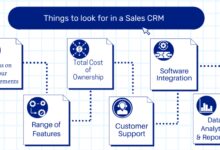
Key Features to Look for When You Compare Sales CRM Software for Small Business Options
When you compare sales CRM software for small business options, not all features are created equal. Prioritize functionality that aligns with your sales cycle, team size, and growth goals. Here are the most critical features to evaluate.
Contact and Lead Management
The foundation of any CRM is its ability to organize contacts and leads. Look for systems that allow you to segment leads by source, status, or behavior. The best platforms offer drag-and-drop pipelines, custom fields, and bulk import tools.
- Automated lead capture from web forms and emails.
- Duplicate detection to maintain clean databases.
- Tagging and categorization for targeted outreach.
Tools like Zoho CRM excel in this area with AI-powered lead scoring and smart assignment rules.
Sales Pipeline and Deal Tracking
A visual sales pipeline gives your team clarity on where each deal stands. When you compare sales CRM software for small business options, ensure the platform offers customizable stages, forecasting tools, and real-time updates.
- Kanban-style boards for intuitive deal movement.
- Probability-based forecasting to predict revenue.
- Integration with email and calendar to track touchpoints.
Platforms like Pipedrive are built specifically around pipeline visualization, making them ideal for sales-focused small businesses.
Automation and Workflow Tools
Time is your most valuable resource. Automation reduces manual entry and ensures consistency in follow-ups. Look for CRM systems that allow you to set up workflows based on triggers like lead status changes or email opens.
- Automated email sequences and SMS reminders.
- Task assignments when a deal moves to a new stage.
- Custom alerts for overdue follow-ups or high-value leads.
For example, HubSpot CRM offers powerful automation workflows even in its free tier, making it a top contender when you compare sales CRM software for small business options.
Top 7 Sales CRM Software for Small Business in 2024
Now that we know what to look for, let’s dive into the top 7 CRM platforms tailored for small businesses. Each has unique strengths, pricing models, and scalability. This section will help you compare sales CRM software for small business options with real-world insights.
1. HubSpot CRM
HubSpot CRM is a favorite among small businesses for its user-friendly interface and robust free plan. It’s an all-in-one platform that grows with your business, offering marketing, sales, service, and operations tools.
- Pros: Free forever plan, excellent UI, strong integrations.
- Cons: Advanced features require paid upgrades.
- Pricing: Free; paid plans start at $20/month.
HubSpot’s automation, email tracking, and meeting scheduling tools make it a powerhouse for startups and solopreneurs. Its ecosystem integrates seamlessly with Gmail, Outlook, and Slack.
2. Zoho CRM
Zoho CRM is a feature-rich solution designed for small to mid-sized businesses. It offers AI-driven insights, social CRM, and industry-specific templates.
- Pros: Highly customizable, affordable pricing, AI assistant (Zia).
- Cons: Steeper learning curve for beginners.
- Pricing: Starts at $14/user/month; free plan for up to 3 users.
Zoho stands out when you compare sales CRM software for small business options due to its scalability and deep customization. It’s ideal for businesses planning long-term growth.
3. Pipedrive
Pipedrive is built by salespeople, for salespeople. Its strength lies in its visual pipeline management and focus on closing deals.
- Pros: Intuitive pipeline design, mobile-friendly, strong automation.
- Cons: Limited marketing tools compared to competitors.
- Pricing: Starts at $14.90/user/month.
If your primary goal is to streamline the sales process, Pipedrive is one of the best CRM tools to compare sales CRM software for small business options against. Its forecasting and activity reminders keep teams on track.
4. Freshsales (by Freshworks)
Freshsales combines CRM functionality with built-in phone, email, and chat capabilities. It’s designed for speed and simplicity, making it perfect for fast-moving sales teams.
- Pros: Built-in calling, AI-based lead scoring, clean interface.
- Cons: Reporting features are less advanced than rivals.
- Pricing: Free plan available; paid plans start at $15/user/month.
Freshsales shines in lead engagement, offering real-time notifications when prospects open emails or visit your website—key for timely follow-ups.
5. Salesforce Essentials
Salesforce, the CRM giant, offers a simplified version called Essentials tailored for small businesses with up to 10 users.
Compare Sales CRM software for small business options – Compare Sales CRM software for small business options menjadi aspek penting yang dibahas di sini.
- Pros: Trusted brand, powerful customization, global support.
- Cons: Expensive for small teams; complex setup.
- Pricing: $25/user/month.
While more costly than others, Salesforce Essentials provides enterprise-grade security and scalability. It’s a solid choice if you plan to scale rapidly and need deep integration capabilities.
6. Insightly
Insightly blends CRM with project management, making it ideal for service-based businesses or those managing complex client projects.
- Pros: Project tracking, relationship linking, workflow automation.
- Cons: Limited third-party integrations in lower tiers.
- Pricing: Starts at $29/user/month.
When you compare sales CRM software for small business options that require project oversight, Insightly offers a unique edge by combining sales and task management in one place.
7. Agile CRM
Agile CRM is an all-in-one platform offering sales, marketing, and service tools at a competitive price.
- Pros: Affordable, includes marketing automation, website tracking.
- Cons: Interface feels outdated; customer support is inconsistent.
- Pricing: Free for up to 10 users; paid plans start at $9.99/user/month.
Despite its lower price point, Agile CRM packs in features like email campaigns, call tracking, and social media integration—making it a budget-friendly option when you compare sales CRM software for small business options.
How to Evaluate Pricing and Value When You Compare Sales CRM Software for Small Business Options
Price isn’t the only factor—value is. A cheap CRM that lacks essential features can cost more in lost productivity. When you compare sales CRM software for small business options, consider total cost of ownership, including training, integration, and scalability.
Free vs. Paid Plans
Many CRMs offer free plans, but they often come with limitations. HubSpot and Freshsales offer free versions with solid functionality, while others like Agile CRM provide free access for small teams.
- Free plans are great for testing and early-stage businesses.
- Watch out for hidden costs like limited contacts or no phone support.
- Ensure the free plan includes core features like contact management and email tracking.
For example, Pipedrive’s free plan is limited, but its paid tiers unlock automation and forecasting—critical for scaling.
Per-User vs. Flat-Rate Pricing
Some CRMs charge per user (e.g., Zoho, Salesforce), while others offer flat-rate models (e.g., Insightly’s higher tiers). For small teams, per-user pricing can be cost-effective. For larger teams, flat rates may save money.
- Per-user: Scales with team size; ideal for growing businesses.
- Flat-rate: Predictable billing; better for stable team sizes.
- Consider annual vs. monthly billing—annual often saves 10-20%.
Always calculate the annual cost based on your expected team size to avoid surprises.
Hidden Costs to Watch For
Beyond subscription fees, consider:
- Onboarding and training time.
- Cost of integrations (e.g., Zapier, email services).
- Data migration from old systems.
- Support fees for premium assistance.
Some CRMs charge extra for phone support or advanced reporting. Always read the fine print before committing.
Integration Capabilities: Why They Matter When You Compare Sales CRM Software for Small Business Options
A CRM doesn’t exist in a vacuum. It needs to connect with your email, calendar, marketing tools, and accounting software. Seamless integration ensures data flows smoothly across platforms, reducing manual entry and errors.
Email and Calendar Sync
The ability to sync with Gmail or Outlook is non-negotiable. Top CRMs like HubSpot and Zoho offer two-way sync, so meetings and emails are automatically logged.
- Auto-log sent emails and calendar events.
- Schedule meetings directly from the CRM.
- Track email opens and clicks in real time.
This integration saves hours per week and ensures your activity history is always up to date.
Marketing and Sales Tool Integration
Your CRM should work with tools like Mailchimp, Zoom, Slack, and LinkedIn. Look for native integrations or support via platforms like Zapier.
- Sync leads from landing pages and ads.
- Trigger follow-up emails based on website behavior.
- Push deal updates to project management tools.
For example, Zapier connects over 5,000 apps, making it easier to automate workflows across systems.
Accounting and E-commerce Sync
If you sell products or services, integrating your CRM with QuickBooks, Xero, or Shopify can streamline invoicing and order tracking.
- Automatically create invoices from won deals.
- Sync customer data between platforms.
- Track lifetime value and purchase history.
Zoho CRM, for instance, integrates directly with Zoho Books, making it a seamless choice for small businesses using Zoho’s ecosystem.
User Experience and Mobile Access: Critical Factors When You Compare Sales CRM Software for Small Business Options
No matter how powerful a CRM is, it’s useless if your team won’t use it. A clunky interface leads to low adoption, incomplete data, and wasted investment. When you compare sales CRM software for small business options, prioritize ease of use and mobile functionality.
Intuitive Interface Design
The best CRMs have clean, drag-and-drop interfaces that require minimal training. Look for platforms with onboarding tours, tooltips, and contextual help.
- Minimal clicks to log activities or update deals.
- Customizable dashboards for quick insights.
- Role-based views for sales, managers, and support.
Pipedrive and HubSpot are known for their intuitive designs, helping teams get up to speed quickly.
Compare Sales CRM software for small business options – Compare Sales CRM software for small business options menjadi aspek penting yang dibahas di sini.
Mobile App Performance
Sales happen on the go. A strong mobile app allows reps to update deals, log calls, and access customer info from anywhere.
- Offline access to key data.
- Voice-to-text note entry.
- Push notifications for follow-ups.
HubSpot and Zoho offer robust mobile apps with full functionality, ensuring your team stays connected even without Wi-Fi.
Training and Onboarding Support
Even the easiest CRM requires some learning. Evaluate the vendor’s support resources:
- Video tutorials and knowledge bases.
- Live webinars and onboarding sessions.
- Community forums and customer support.
HubSpot Academy, for example, offers free courses and certifications, making it easier for small businesses to train their teams at no extra cost.
Scalability and Future-Proofing: Planning Ahead When You Compare Sales CRM Software for Small Business Options
Today’s perfect CRM might not meet your needs in two years. When you compare sales CRM software for small business options, think long-term. Can the platform grow with your team, add new features, and adapt to changing markets?
Customization and Flexibility
As your business evolves, so should your CRM. Look for platforms that allow you to:
- Add custom fields, modules, and workflows.
- Create custom reports and dashboards.
- Modify pipelines and deal stages.
Zoho CRM and Salesforce Essentials offer high customization, letting you tailor the system to your unique sales process.
AI and Automation Features
AI is no longer a luxury—it’s a necessity. Modern CRMs use AI for lead scoring, sentiment analysis, and predictive forecasting.
- Zia (Zoho) suggests next-best actions.
- HubSpot’s AI writes email subject lines and follow-ups.
- Pipedrive’s AI identifies at-risk deals.
These features save time and improve decision-making, giving small businesses a competitive edge.
Cloud-Based vs. On-Premise Solutions
Almost all small business CRMs are cloud-based, offering automatic updates, remote access, and lower IT overhead. On-premise solutions are rare and costly, making them impractical for most small businesses.
- Cloud CRM: Access from any device, automatic backups.
- On-premise: Requires server maintenance, higher upfront cost.
- Hybrid models exist but are complex to manage.
Stick with cloud-based solutions for flexibility, security, and ease of use.
What is the best CRM for a small sales team?
HubSpot CRM and Pipedrive are top choices for small sales teams due to their ease of use, strong automation, and affordable pricing. HubSpot offers a powerful free plan, while Pipedrive excels in visual pipeline management.
Can I use a CRM for free as a small business?
Yes, several CRMs like HubSpot, Freshsales, and Agile CRM offer free plans suitable for small businesses. These include core features like contact management, email tracking, and basic automation.
How do I choose the right CRM for my small business?
Start by identifying your key needs—sales automation, marketing integration, or project management. Then compare sales CRM software for small business options based on features, pricing, ease of use, and scalability. Test free trials before committing.
Do I need technical skills to use a CRM?
Most modern CRMs are designed for non-technical users. Platforms like HubSpot and Pipedrive offer intuitive interfaces and onboarding support, making setup and daily use straightforward.
Which CRM integrates best with Gmail and Outlook?
HubSpot CRM, Zoho CRM, and Pipedrive all offer seamless integration with Gmail and Outlook, allowing automatic email logging, calendar sync, and meeting scheduling directly from the CRM.
Choosing the right CRM is one of the most impactful decisions a small business can make. When you compare sales CRM software for small business options, focus on features that align with your sales process, team size, and growth goals. HubSpot, Zoho, Pipedrive, and others each offer unique strengths—whether it’s automation, pipeline visibility, or affordability. By evaluating pricing, integration, user experience, and scalability, you can find a solution that not only meets your current needs but also supports your future success. The best CRM isn’t the most expensive—it’s the one your team will actually use and benefit from every day.
Compare Sales CRM software for small business options – Compare Sales CRM software for small business options menjadi aspek penting yang dibahas di sini.
Recommended for you 👇
Further Reading: